
Grens and Ågestam’s Case Conflict
Three SecondsThis thread follows the shift from hostility between investigator and prosecutor to reluctant cooperation against a system that withheld crucial evidence from both of them.
increasing Bearing strength in each event
 decreasing
Bearing strength in each eventdecreasingA Three-Day Deadline

The Prosecutor’s Warning
Resources at risk
Ågestam tells Grens that the Västmannagatan investigation is stalled and gives him three days to examine peripheral names. If no progress follows, he will scale down the case.
Grens refuses to admit how little the team has found.
Opposing habits
Ågestam sees a resource problem; Grens sees an unsolved murder that must remain open. Their professional conflict reflects years of mutual dislike and different approaches to authority.
The deadline forces Grens to pursue the name that will connect the murder to his own institution.
The Name Behind the File
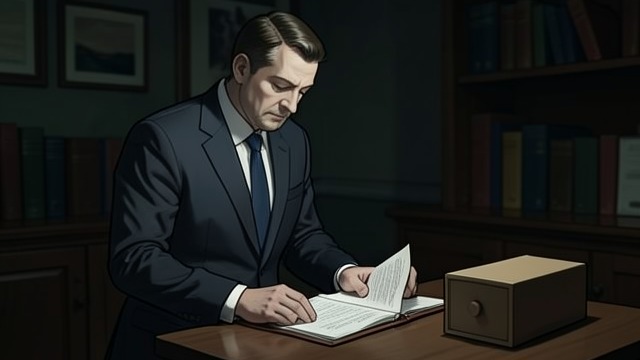
A Case Reopens
Hoffmann becomes central
Grens learns that Piet Hoffmann is in prison and has a firearms history that does not fit the official records. The prosecutor has not yet seen the covert operation behind that profile.
Grens is prevented from questioning Hoffmann by a false claim of illness and isolation.
Pressure and suspicion
The case remains open only because Grens refuses to abandon it. Ågestam grants additional time, though he expects evidence rather than intuition.
The delay gives Grens time to discover that the official account of Hoffmann is manufactured.
Three Hundred Two Files

A Shared Pattern
Evidence delivered
Grens brings the county police commissioner’s laptop to Ågestam’s home and shows him confidential intelligence reports alongside official case files. The prosecutor recognizes cases he previously handled.
The hidden reports reveal that police knew facts unavailable to prosecutors.
The consequences
Ågestam finds that acquittals and dropped cases may have resulted from deliberate information gaps. He becomes angry not only as a prosecutor but as a participant whose decisions were shaped by concealed truth.
Their alliance begins when they recognize that the same system has misled them both.
An Unusual Invitation

Work Becomes Cooperation
Grens asks for help
Grens invites Ågestam to his flat, an unprecedented act for a man who usually protects his private space. He needs the prosecutor to reopen the Västmannagatan case before officials can alter their story.
Ågestam understands that the request is both urgent and personal in its implications.
A fragile trust
They examine the secret report together and discuss the hours lost to an investigation its own leadership had already understood.
The men do not become friends, but their shared commitment to evidence briefly replaces their habitual hostility.
Charges Prepared
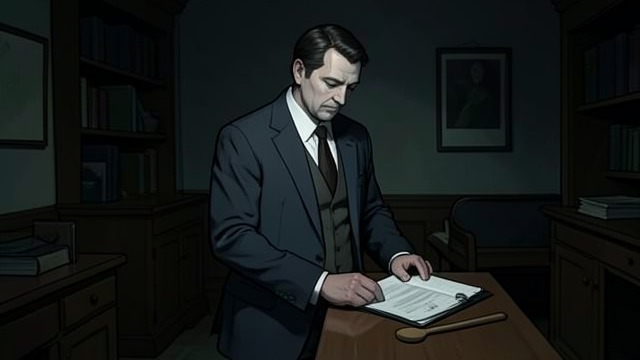
The Prosecutor Acts
Evidence of conspiracy
Ågestam agrees that there is enough material to pursue senior officials, including recorded statements, security footage, and the hidden intelligence account. He promises to prepare arrest warrants within days.
The decision converts their private inquiry into an official prosecution path.
A boundary remains
Grens still rejects any suggestion that the cooperation makes them personal friends. Ågestam accepts the distinction while continuing the work.
Their relationship changes through action rather than affection: each trusts the other’s professional judgment enough to challenge the system.
Tuesday morning, after the case stalls
After the attack at Aspsås begins
The night after the workshop explosion
Sunday evening, after Wilson confirms the recording
The morning Grens presents the recordings
